
3rd UN Ocean Conference: Key Announcements and What Comes Next
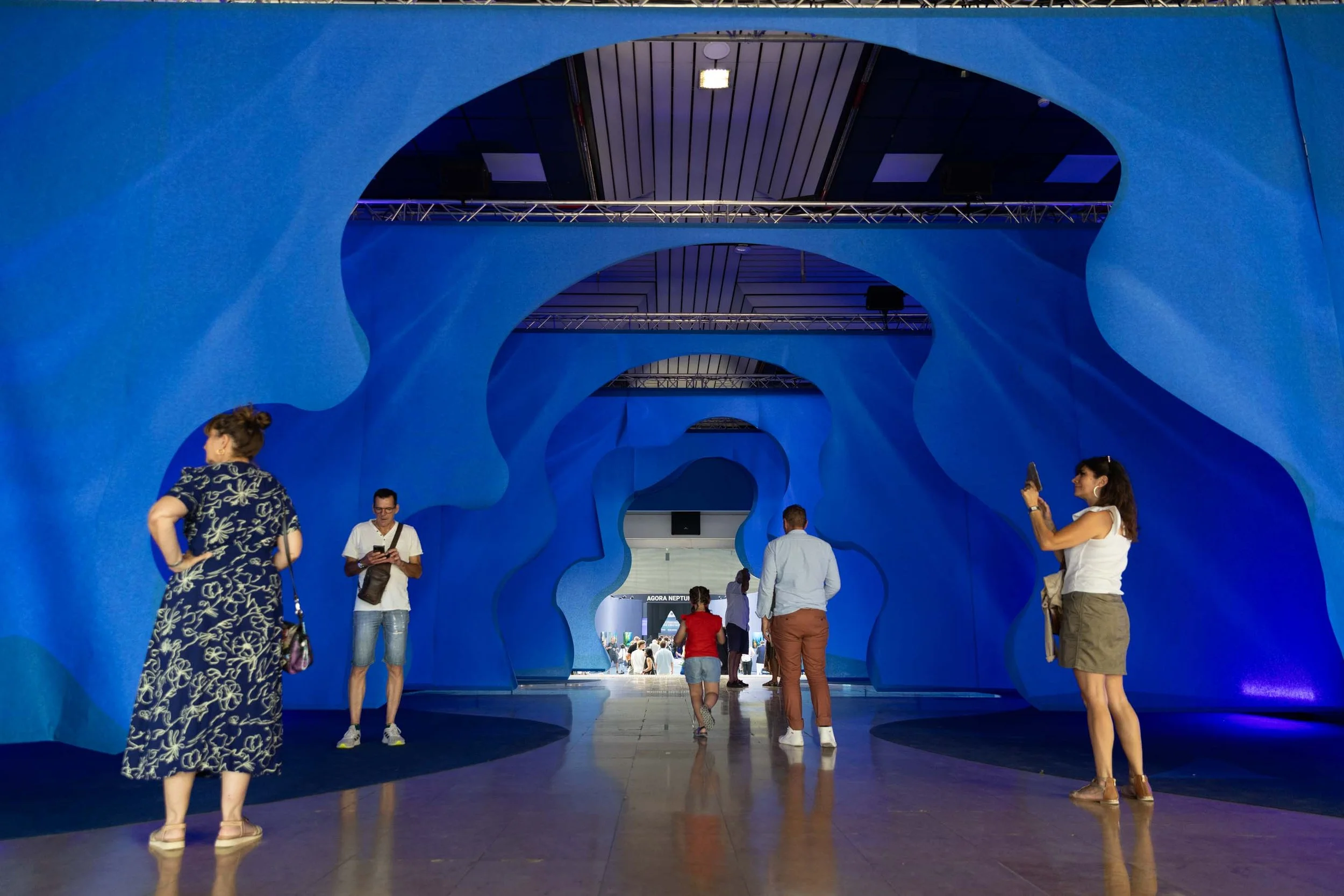
Entrance to the Green Zone: Photo by IISD/ENB | Kiara Worth
As global ocean stakeholders gathered for the 3rd UN Ocean Conference (UNOC3) in Nice, France last week, all eyes were on world leaders and decision-makers. Would they seize the opportunity to take meaningful action to transform and protect the ocean – and the communities and industries that rely on it – from its most urgent challenges?
After all, we're now at the halfway point of the UN Decade of Ocean Science. Action isn't optional, it's mandatory.
Our co-founders Nick Chiarelli and Tim Silverwood were on the ground at UNOC3 to ensure that innovative solutions are front and centre in this response – included, supported, and recognised, not just as a ‘nice-to-have,’ but as a critical enabler of necessary action. Check out Nick’s article to learn why many were dubbing this conference “the finance UNOC,” and more on how innovation was centre stage.
Our team was buoyed by some notable announcements and commitments made at the UN Ocean Conference but, as we all know, real success is dependent on implementation.
So, here’s what was announced, what happens next, and how innovative solutions can enable action.
Summary:
Click the headlines to jump through the article
11 countries make first pledge of its kind to voluntarily safeguard climate-resilient coral reefs
Other news: UK proposes bottom trawling ban in 41 of its MPAs, WWF launches platform that digitally maps whale migration corridors, Chile commits to expand Juan Fernández MPA, momentum grows for a precautionary pause on deep sea mining
Our Takeaways
Blue Economy & Finance Forum Mobilises the Private Sector
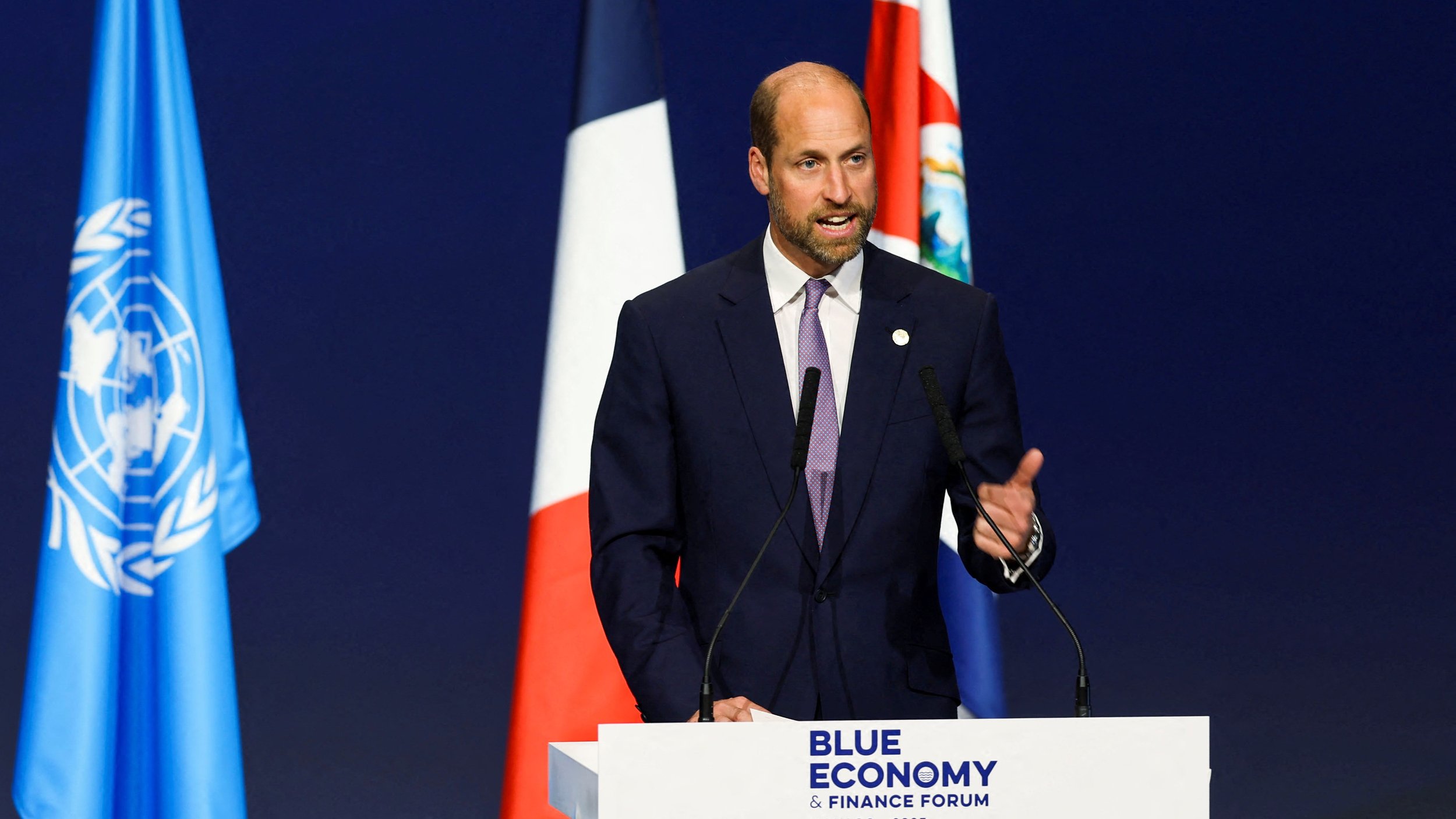
€8.7 billion in commitments secured, €25 billion in existing blue investments identified, and multiple structural initiatives launched.
Photo by Manon Cruz/REUTERS
The Blue Economy & Finance Forum (BEFF) in Monaco from 7–8 June, just ahead of the 3rd UN Ocean Conference, saw positive financial commitments made and initiatives launched, including:
€8.7 billion in commitments was secured, to be deployed over the next five years by philanthropists, private investors, and public banks, into a sustainable blue economy. Of this, €1 billion has already been deployed or is investment-ready in 2025.
€25 billion in existing blue investments were identified
And structural initiatives were also launched:
The #BackBlue coalition – an Ocean Risk and Resilience Action Alliance (ORRAA) and World Economic Forum initiative – was cited as an official outcome of the BEFF. It brings together financial institutions that commit to take into account ocean sustainability and regeneration in finance and insurance decisions, with the cumulative value of the Assets Under Management by current endorsers of the initiative amounting to US$3.45tn.
The ‘Philanthropists and Investors in Ocean’ initiative was introduced, designed to direct capital towards high-impact projects in the Global South.
The 'Finance' UNOC Secures Investments in Ocean Solutions
SWEN Capital Partners announce €160 million first close of its SWEN Blue Ocean 2 fund, and major development banks announce coordinated investments
At the UN Ocean Conference, investment announcements were made across early-stage innovation and venture investment, as well as by major development banks into specific areas:
SWEN Capital Partners announced a €160 million first close of its SWEN Blue Ocean 2 fund, to invest in innovative startups working to support the regeneration of ocean biodiversity. Targeting €300 million, the fund is positioned as the “world’s largest ocean impact venture fund".” Compared to the €170 million raised by SWEN’s inaugural Blue Ocean fund, it demonstrates increased investor appetite.
The European Investment Bank and Asian Development Bank pledged a €3 billion investment to tackle ocean plastic pollution by 2030
The Development Bank of Latin America and the Caribbean (CAF) committed US $2.5 billion in investments through 2030 to sustainable marine projects
Smaller-yet-targeted allocations – such as €119 million for Guinea’s coastal resilience, €1.8 million to help strengthen Marine Protected Areas in the Mediterranean and Costa Rica – underlined the breadth of funding initiatives
What needs to happen next: Whilst both the BEFF and UNOC showed that ocean finance is no longer ‘niche,’ the current scale of investment falls short of what’s needed to meet SDG14 (life below water) and broader climate-biodiversity goals, and we need to see momentum increase to meet the SDG funding gap, estimated at nearly US$150bn annually.
High Seas Treaty Sees Swell of Support
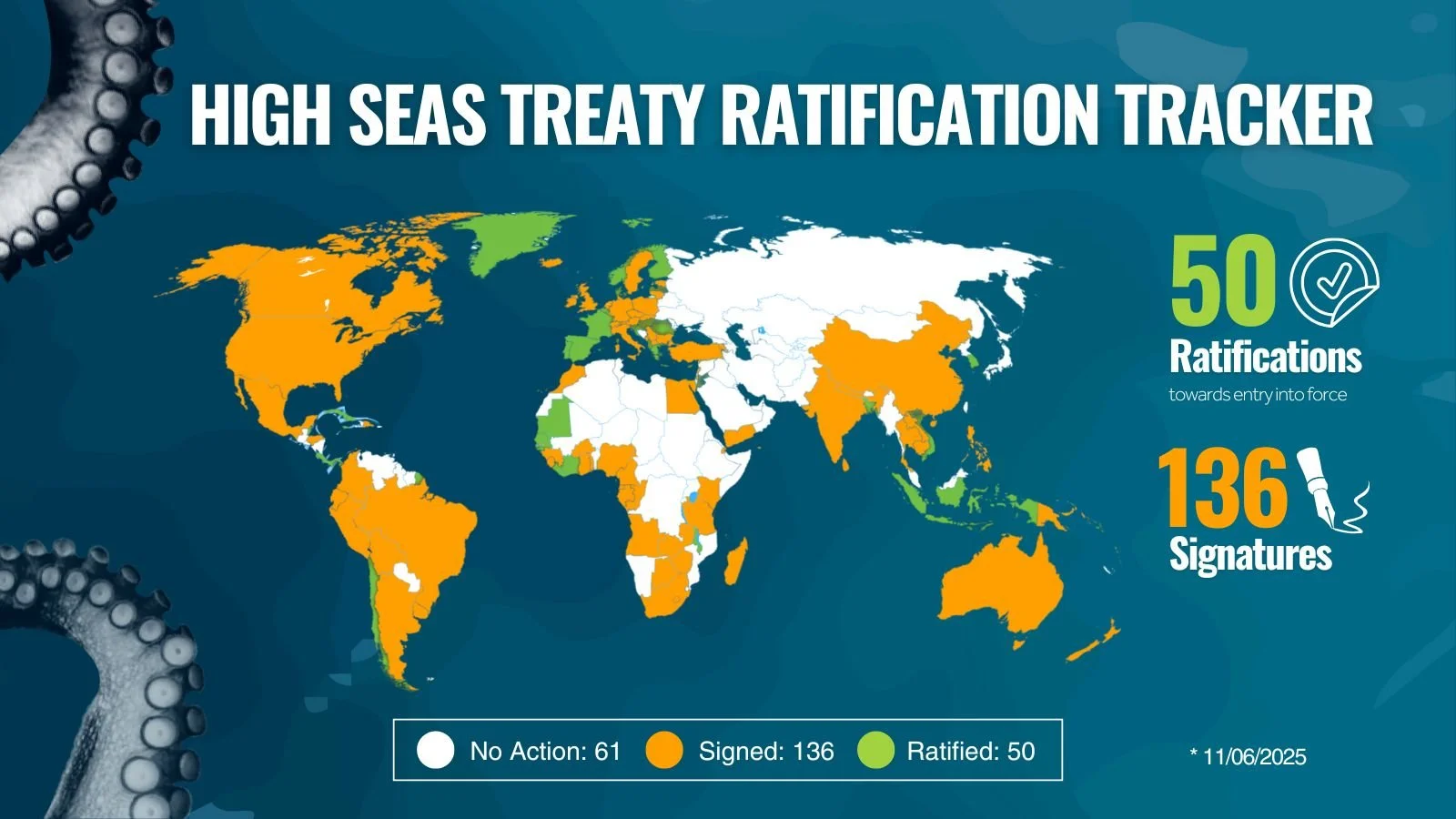
A historic wave of countries formally ratified the High Seas Treaty, bringing the total to 50 (at the time of writing) just 10 shy of the 60 needed for it to enter into force.
Ratification tracker. Graphic by the High Seas Alliance
An additional 19 countries deposited their ratifications at the conference, and at least 19 more have promised they will ratify it by the end of the year. This means the treaty, officially known as the Biodiversity Beyond National Borders (BBNJ) Agreement, has sufficient support to enter into force in early 2026. On top of the boost in ratifications, an extra 20 countries signed the treaty during the week, bringing that total to 136 and signalling broad support.
Why it matters:
The high seas cover two-thirds of the ocean and nearly 50% of the planet, and contain some of our largest biodiversity hotspots. The High Seas Treaty provides an international framework to regulate and administer the high seas. Among other things, it will allow the world to set up large marine protected areas (MPAs) in the high seas, which is critical to protecting at least 30% of marine and coastal habitats by 2030 (30×30) under the Kunming-Montreal Global Biodiversity Framework.
What needs to happen next?
The High Seas Treaty will begin 120 days after 60 states ratify it. But after it enters into force, the real work lies in implementation. Nations must begin to propose MPAs to preserve biodiversity on the high seas. Success will depend on institutional arrangements, adequate financing, capacity-building, and genuine cooperation among States and stakeholders to deliver tangible benefits for marine ecosystems; prevent harmful activities on the high seas; and responsibly manage and equitably share its resources.
Commitments for Marine Protected Areas (MPAs) Announced
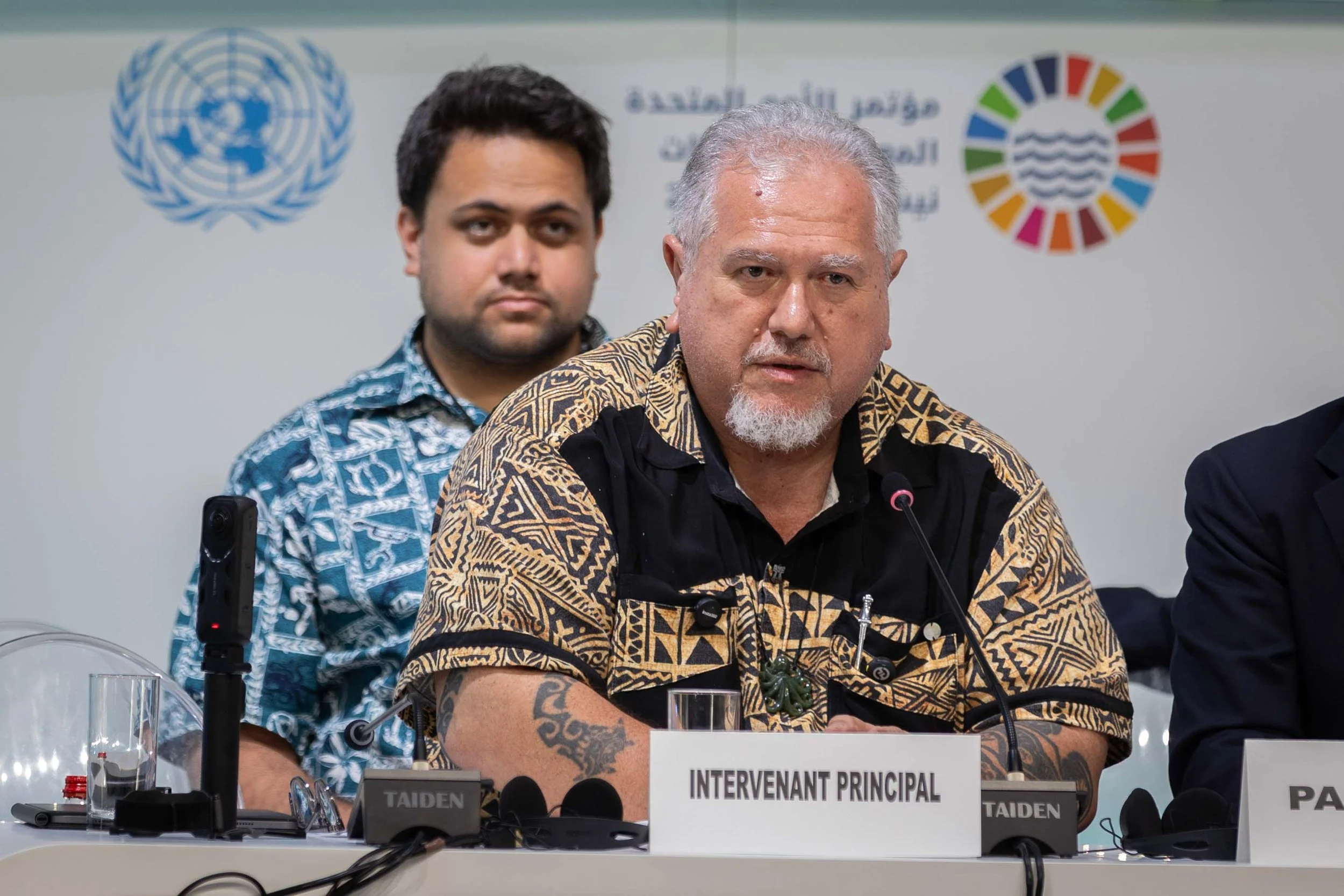
French Polynesia President, Moetai Brotherson, announced the creation of the world’s largest Marine Protected Area (MPA).
Image: Moetai Brotherson. Photo by IISD/ENB | Kiara Worth
At almost 5 million km² and covering the entirety of their Exclusive Economic Zone (EEZ), this MPA will restrict extractive practices like deep sea mining and bottom-trawling. Of that area, 1.1 million km² will be designated as a mix of “fully protected” or “highly protected” zones (known as class 1 or class 2) where only scientific exploration, ecotourism, and artisanal fishing – limited to traditional single pole-and-line catch from boats under 12m in length – will be allowed.
““In French Polynesia, the ocean is much more than a territory - it’s the source of life, culture, and identity.””
Why it matters:
Once implemented, it will be one of the world's single-largest designations of highly protected ocean space in history. An area roughly twice the size of France. This commitment shows that small island territories can have a massive impact on global sustainability. French Polynesia has set a new standard for leadership in marine conservation by prioritising biodiversity, traditional knowledge, and future generations.
What needs to happen next?
This announcement from French Polynesia represents a holistic commitment to ocean conservation, in collaboration with local communities, scientists, local officials, and NGOs – an approach that more countries should adopt. Additionally, the French Polynesian government has also pledged to add an additional 500,000 km² to the highly protected area by World Ocean Day 2026.

Minderoo Foundation pledged AU$10 million to accelerate the development of high-quality MPAs in the high seas.
Image: Andrew Forrest, Minderoo Foundation. Photo by IISD/ENB
New funding from Minderoo Foundation – one of the largest high seas commitments to date from an individual philanthropy – will contribute to a scientific analysis and consultation process that could eventually see the establishment of an MPA at the Lord Howe Rise–South Tasman Sea region, between Australia and New Zealand.
This area, often referred to as a “volcanic lost world,” is rich in biodiversity, including ancient coral gardens, deep-sea seamounts, and migratory routes for species such as humpback whales and Galapagos sharks.

Bloomberg Ocean Initiative commits to fund a Secretariat for "BBNJ First Movers"
Image: Melissa Wright, Bloomberg Ocean Initiative. Photo by IISD/ENB | Kiara Worth
And to help accelerate the creation of MPAs under the High Seas Treaty, Bloomberg Ocean Initiative announced it will fund a Secretariat for the "BBNJ First Movers" initiative, a coalition of countries committed to fast-tracking the creation of high seas MPAs in priority biodiversity hotspots. The functions of the Secretariat will be carried out by the National Resources Defence Council.
Australia to expand its highly protected ocean area and ratify high seas Treaty
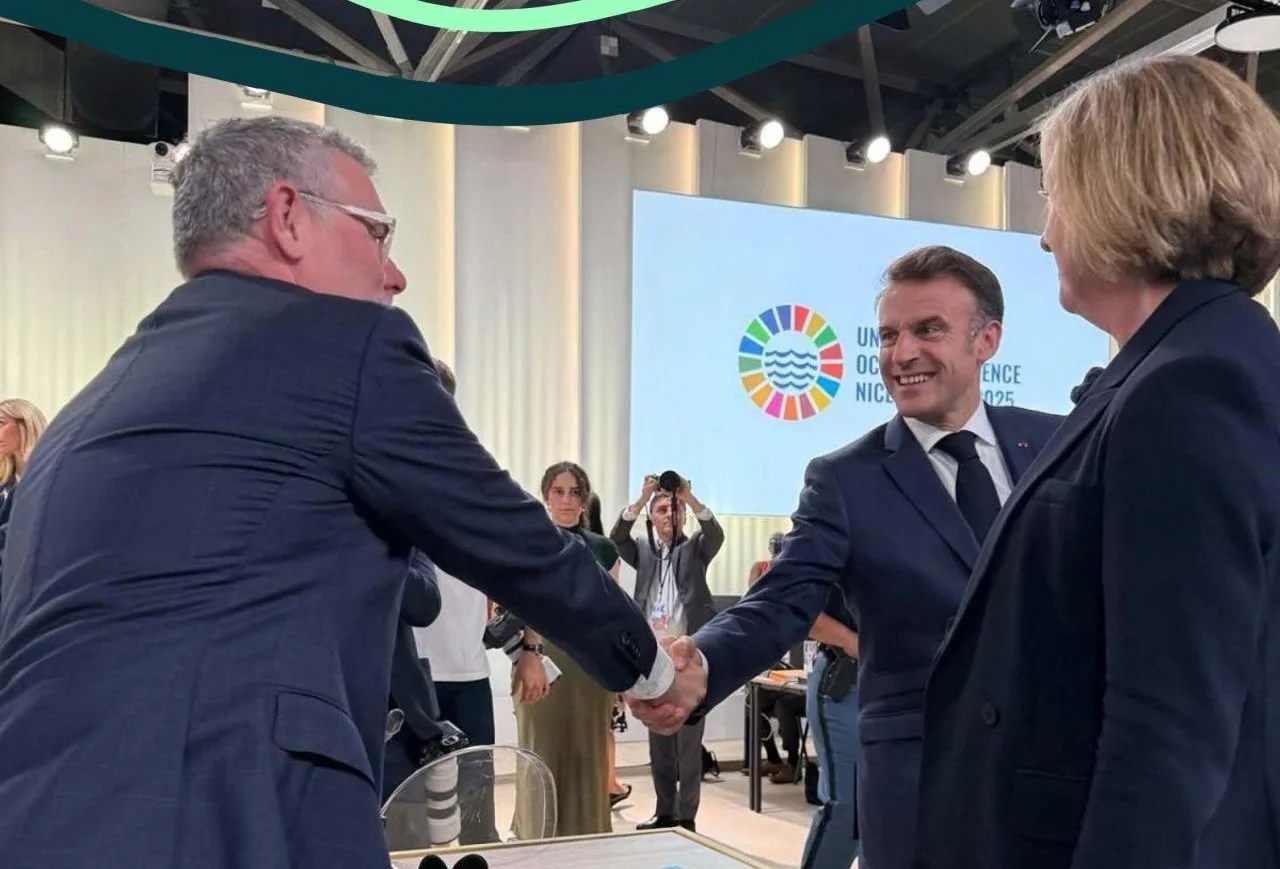
Australia committed to declaring 30% of its ocean “highly protected” by 2030, and to begin ratifying the high seas treaty by Spring.
Image: Murray Watt and Emmanuel Macron. Photo credit: DCCEEW
Environment Minister Murray Watt told the conference that Australia aims to class 30% of its ocean area as “highly protected” by 2030, noting that a three-year review of 44 marine parks would lay the foundation for this. He also announced that the government would introduce legislation to Parliament by the end of the year to enable ratification of the High Seas Treaty, which Australia signed in September 2023. Additionally, Watt reaffirmed Australia’s commitment to join forces with Pacific nations to sustainably manage the ocean, through its bid to host COP31 in 2026 in partnership with the Pacific, and its drive for an international plastics treaty.
Why it matters:
Around 52% of Australia’s ocean area has been designated as marine park since the late 1990s, but only 24% has levels of protection that prohibit all forms of fishing and extraction. The announcement raises expectations from conservationists that it will ban fishing, drilling, and mining in nearly a third of the country’s waters.
What needs to happen next?
These commitments come on the back of the Australian Government recently approving a 45-year extension of the country’s largest gas project to 2070 – a decision denounced by Pacific nations like Tuvalu and Vanuatu – which experts estimate could generate 4.3 billion tonnes of emissions. And also as Australia remains silent on the issue of deep sea mining, despite an increasing number of countries supporting a moratorium (backed by scientists) on the practice. Australia’s pledges at UNOC3 must be matched with high ambition at home: to join its Pacific neighbours in taking urgent action on the ocean and climate, to ensure it protects the high seas and its own high biodiversity ocean areas, and to enact domestic plastics solutions that go beyond recycling.
11 countries launch commitment to protect climate-resilient coral reefs
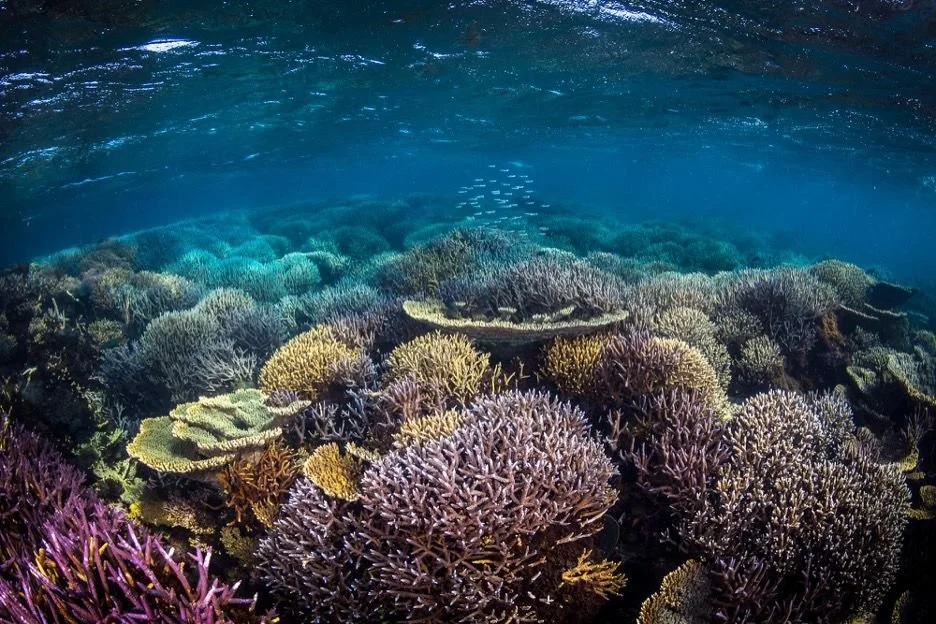
A coalition of countries and partners united to make the first political commitment to protect climate-resilient coral reefs, ahead of the 2030 global biodiversity targets.
Image: A climate-resilient coral reef in Fiji. Photo by Matt Curnock | The Ocean Agency
Pledging to safeguard coral reefs with the best chance of long-term survival in a climate-impacted future, the initiative is championed by the Wildlife Conservation Society (WCS) alongside Papua New Guinea, WWF, and The Nature Conservancy, and backed by WCS’ upcoming “50 Reefs+” analysis, an improved high-resolution global map of climate-resilient coral reef locations worldwide. Signatories on the day included the Bahamas, Belize, France, Indonesia, Madagascar, Palau, Panama, Papua New Guinea, Solomon Islands, Tanzania, and Vanuatu.
Why it matters:
The commitment pledges governments to voluntarily identify and safeguard climate-resilient coral reefs ecosystems from pressures such as overfishing, marine pollution, and unsustainable development. And to mobilise science-based action, local knowledge, community leadership, and equity for climate-resilient reefs and communities.
What needs to happen next?
Whilst the commitment will be registered on the UN Voluntary Commitments Platform, and the commitment and partnership will remain open for additional countries to join, WCS identified strategic countries that can move the needle on global coral reef conservation if they commit to and implement national plans and policies for conservation of climate-resilient coral reefs. However, real timelines, appropriate financing, and local support are needed to make this work.
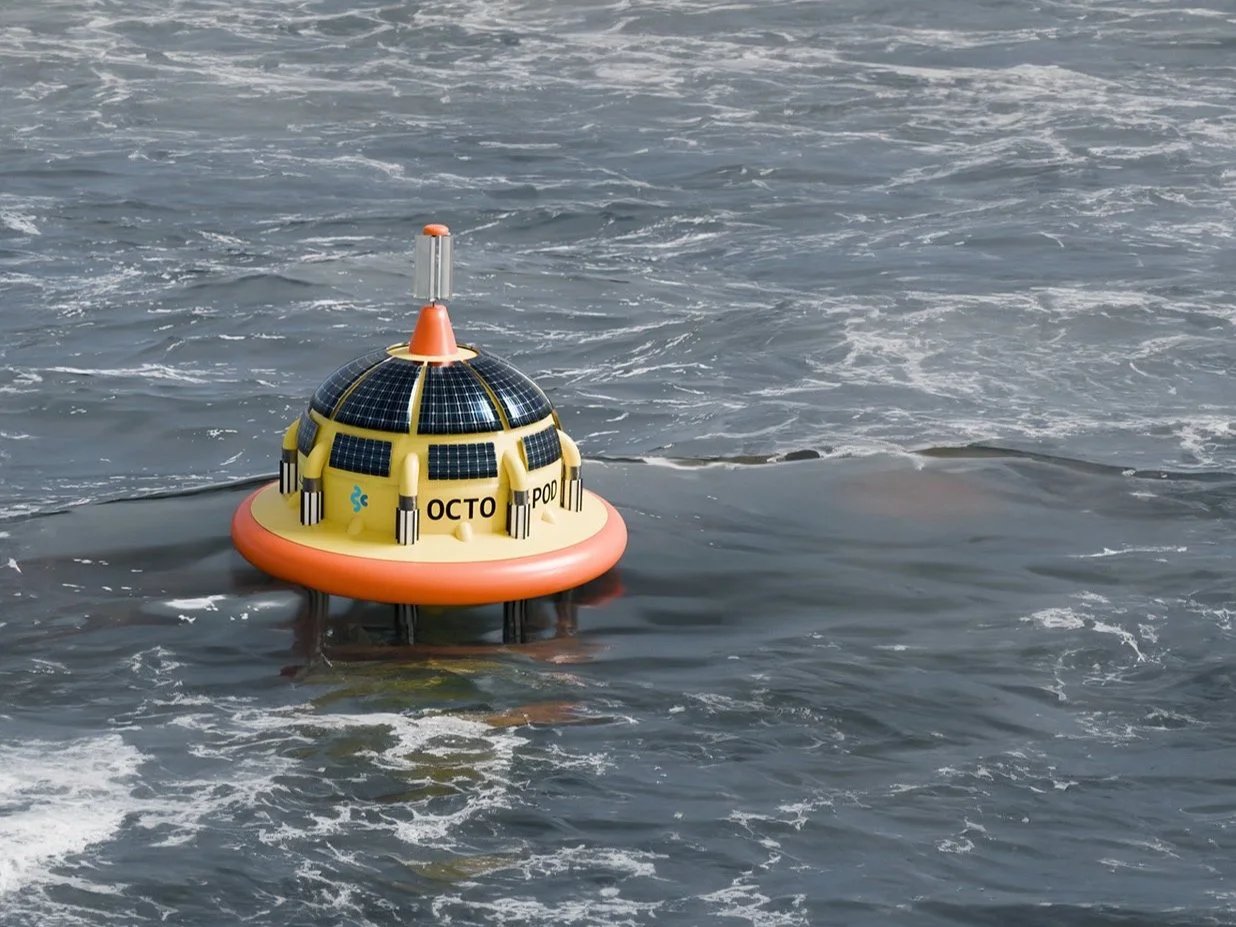
How ocean innovation can help:
OIO portfolio companies Blue Carbon and Azul Bio are working on solutions that could assist these efforts. Blue Carbon’s oPods are capable of pumping cool, oxygen rich water to reef areas support cooling, water quality restoration, and ecosystem rewilding. Whilst Azul Bio’s Coral RX probiotics, from the microbiomes of coral, can provide coral immunity to environmental threats, improving resilience to heat-induced bleaching and disease.
Overwhelming number of countries issue ‘wake up call’ for plastics treaty
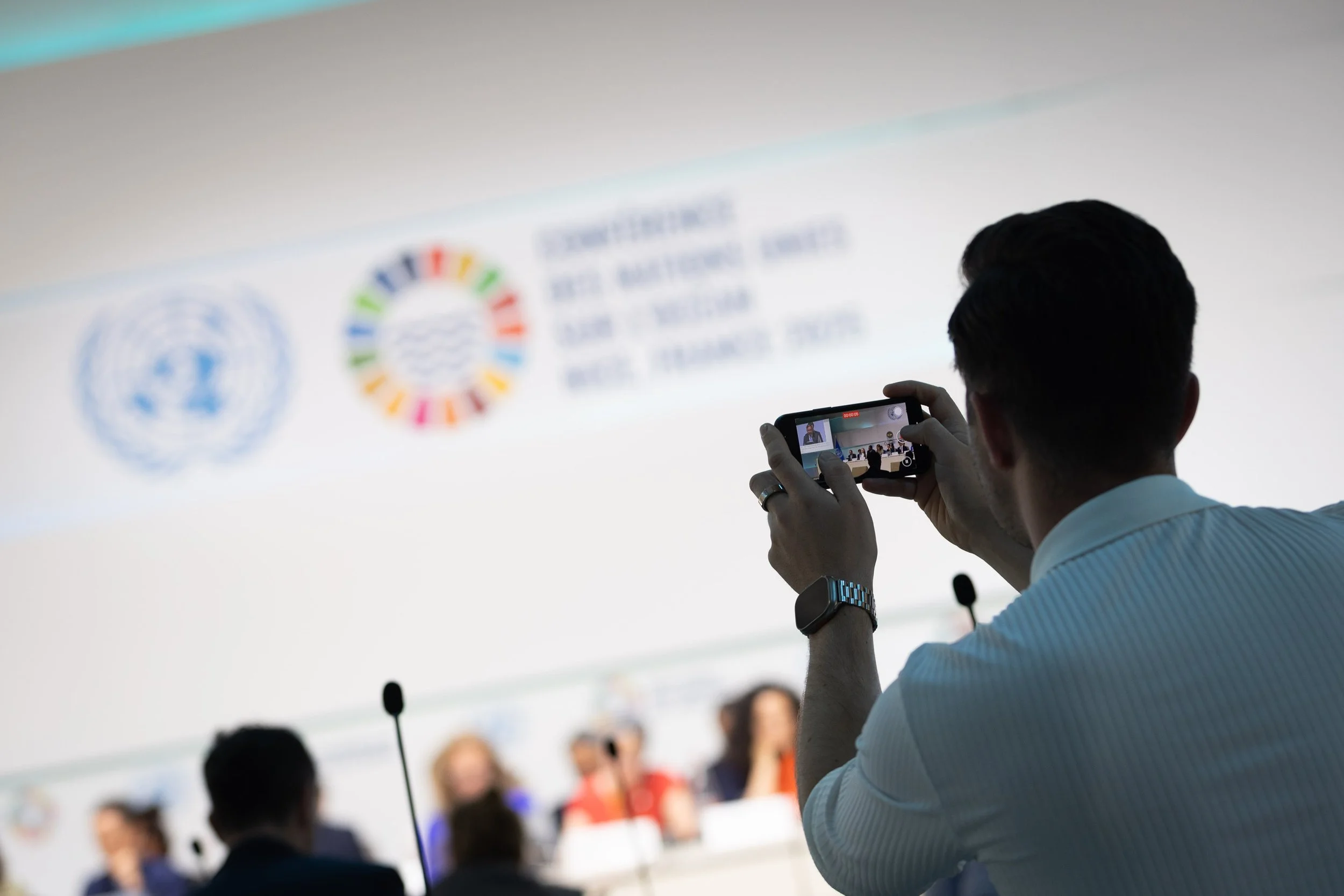
Over 90 member states announced their support of ministerial declaration "The Nice wake up call for an ambitious plastics treaty"
Image: A delegate takes photos during an Ocean Action panel. Photo by IISD/ENB | Kiara Worth
This ‘wake up call’ declaration from the majority of INC members, across various regions and levels of development, includes a call for the adoption of a global target to reduce the production and consumption of plastic.
Why it matters:
It states that the following five points are crucial in reaching an agreement in line with what science tells us and global citizens are calling for:
Acknowledging that the full lifecycle of plastics includes the production and consumption stages.
A legally binding obligation to phase out the most problematic plastic products and chemicals of concern in plastic products.
A binding obligation to improve the design of plastic products and ensure they cause minimum environmental impact and safeguard human health.
Recognising the need for effective means of implementation and accessible, new, and additional financing – noting the special circumstances of least developed countries and small island developing states.
An effective and ambitious treaty that can evolve over time and is responsive to changes in emerging evidence and knowledge.
What needs to happen next?
Countries must back this declaration up with action at the next round of treaty negotiations (INC-5.2) in Geneva, Switzerland in August. Final negotiations for a global agreement stalled late last year due to a small group of oil-producing nations (the “like-minded” group) wanting to focus solely on waste downstream. If the current negotiating method isn’t working, other formats like “The Vienna setting” or similar could be adopted. But failing consensus at the next session, the 95 countries in support of an ambitious treaty should be prepared to announce a plurilateral agreement, in order to take immediate action.
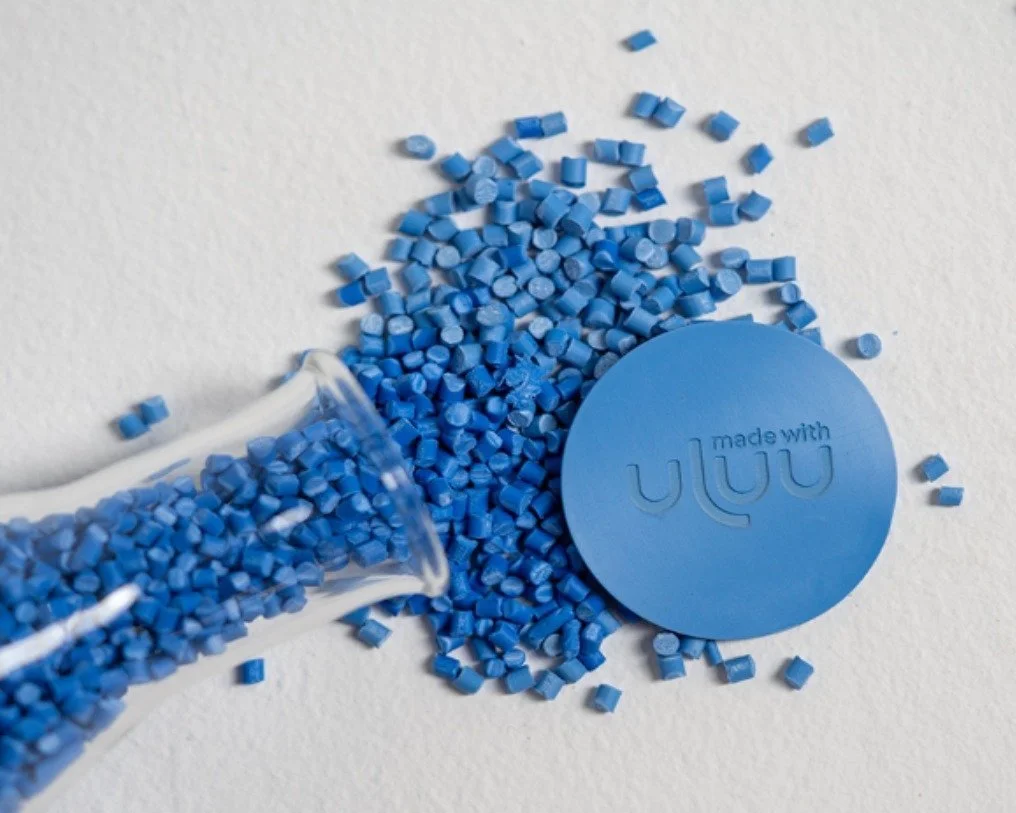
How ocean innovation can help:
There are lots of companies working on solutions to redesign or replace plastic. From Samsara Eco, with its circular economy enzymatic recycling process that allows plastics and textiles to be broken down and reused infinitely. To Uluu, with its seaweed-based injection moulding-grade pellets and fibre-grade pellets that replace plastic pellets. Or Sway’s seaweed-based single-use plastic alternative for applications such as packaging. And RIKEN scientists have created a plastic-like material that completely breaks down in seawater, leaving nothing behind. Saltwater breaks it down into its original components, then bacteria disintegrates what's left.
Ocean matcher platform launched
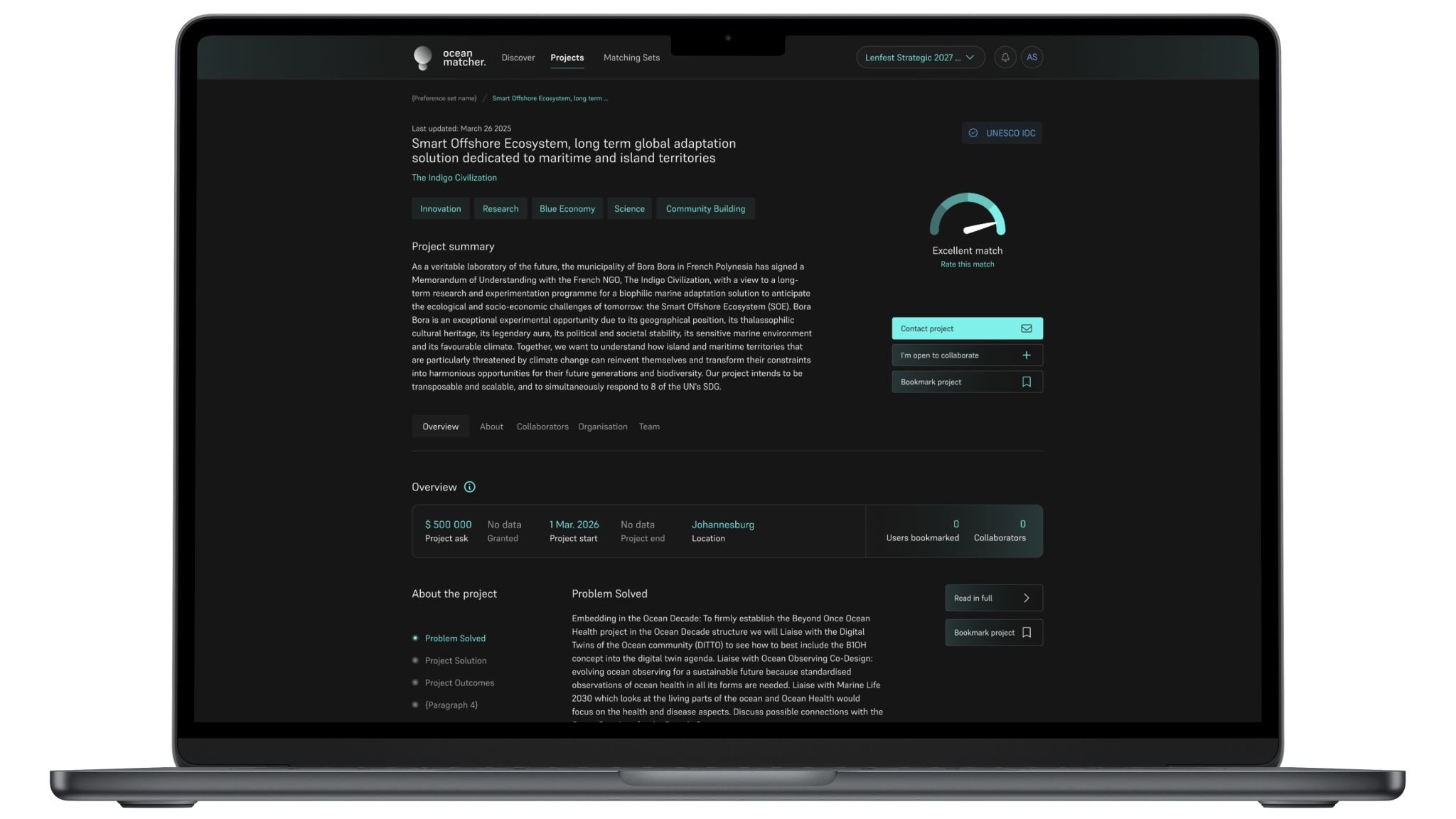
UN Ocean Decade, REV Ocean and more launch "Ocean Matcher" to transform ocean funding and impact through smart matchmaking
Image: Ocean Matcher platform. Photo by REV Ocean
At a dedicated UNOC3 side event, UN Ocean Decade, REV Ocean, and leading ocean philanthropies and organisations launched Ocean Matcher. It aims to address one of the most pressing challenges of the UN Ocean Decade: ensuring the right projects are matched with the right funders to accelerate innovation and impact. This web-based platform uses cutting-edge technology to transform how ocean science and solutions are funded. It connects scientists, innovators, philanthropists, and investors utilising advanced technologies for intelligent matchmaking, such as language models and machine learning.
Designed as a “smart matchmaker for the ocean,” the platform;
Helps funders efficiently navigate high-quality proposals aligned with their mission and values, without needing to sift through endless submissions.
Offers project teams greater visibility and alignment with potential supporters, while maintaining privacy and IP protections.
This tool reflects the growing global momentum toward practical solutions, technological innovation, and strategic philanthropy that can drive real change for the ocean.
The Ocean Returns Initiative Launched
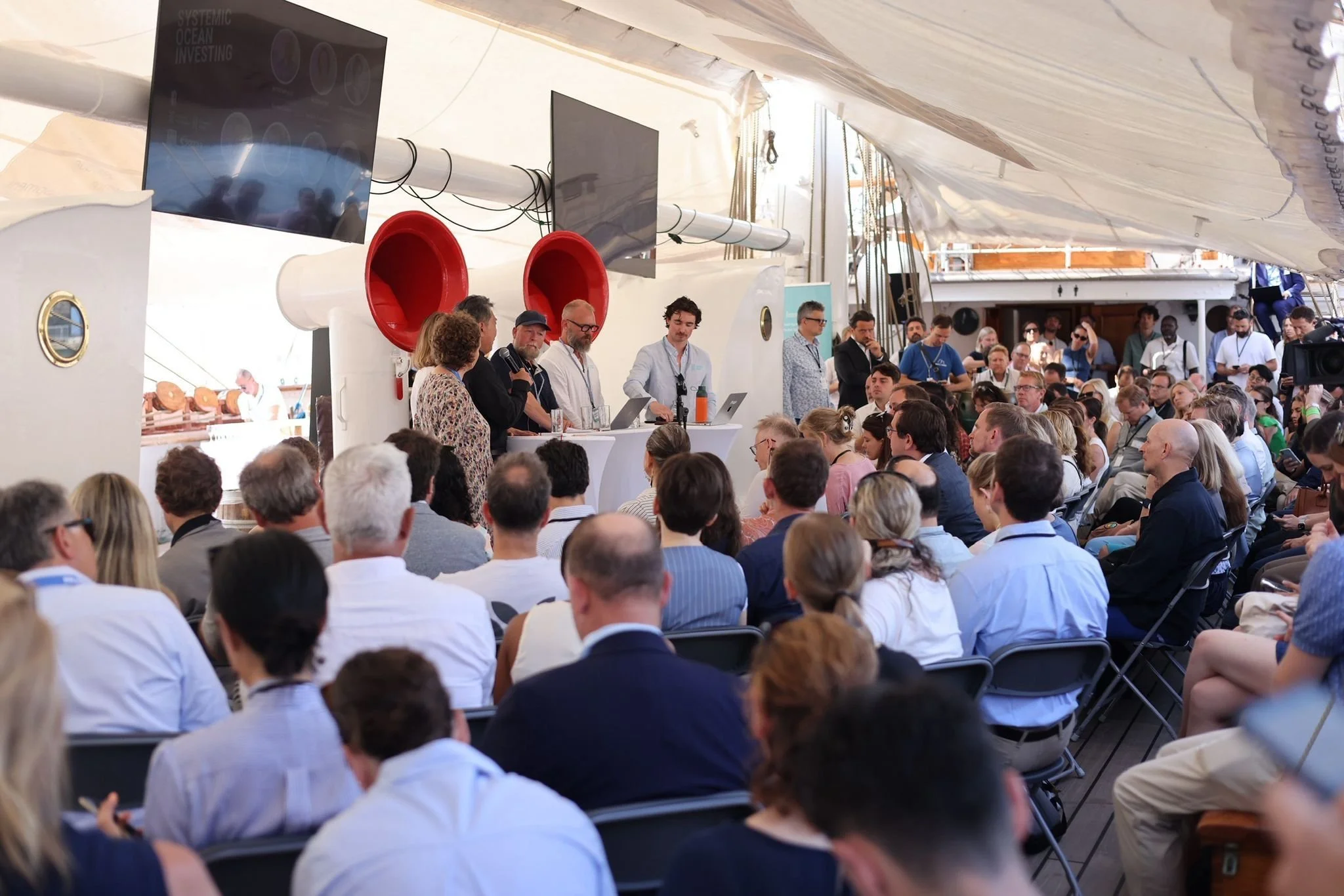
Katapult Ocean, Builders Vision, and Dealroom announce "The Ocean Returns" initiative to spotlight untapped financial potential of the sustainable ocean economy.
Image: Impactful Innovations Day. Photo by Katapult Ocean
The Ocean Returns was announced at Katapult Ocean's "Impactful Innovations Day" side event at UNOC, in collaboration with Builders Vision and DealRoom, with a mission to expand and share knowledge about the ocean economy and encourage a regenerative approach to investing. The Ocean Returns equips investors with the tools, data, and systems intelligence to navigate the ocean investment opportunity and guide long-term capital into key areas that can regenerate both ecosystems and economies.
The platform is explored through three key stories and tools:
The Ocean Gap: Why the ocean represents one of the most promising and under explored opportunities for investment
The Ocean System: A visual and analytical exploration of how healthy markets, thriving communities, and flourishing ecosystems are interlinked
Finance Deep Dive: A comprehensive overview of current ocean finance flows and where catalytic capital is most urgently needed
The Ocean Returns offers investors, policymakers, and ocean advocates invaluable insights into the future of blue finance.
Other News
UK Government announced a proposal to ban bottom-trawling in half of England’s protected seas. If approved, the proposal would ban the practice in 41 marine protected areas (MPAs), focusing on ecologically sensitive and vulnerable seabed habitats, covering 30,000 km². Together with existing bans, it would bring the total area in which bottom trawling is banned to 48,000 km². The plan is subject to a 12-week consultation running until 1 September, and will seek the views of the marine and fishing industry.
WWF launched Blue Corridors whale mapping platform in partnership with scientists: Ahead of the conference, WWF announced it had partnered up with scientists from over 50 global research groups to launch BlueCorridors.org, a new platform that digitally maps the migratory “blue corridors” used by great whales. It brings together three decades of whale tracking data with information on overlapping marine threats and conservation solutions. The platform is publicly accessible to inform science, policy, and ocean protection efforts worldwide. Our favourite part is that it also highlights opportunities and solutions to these threats.
Chile committed to expand Juan Fernández MPA: Chile announced at a plenary session that it will expand its Marine Protected Areas (MPAs) around the Juan Fernández Archipelago. This effort will add 350,000 km² of protection, raising the total to 50% of Chile’s exclusive economic zone (EEZ), and placing it among the leaders in ocean conservation globally.
Countries and major financial institutions called for moratorium on deep sea mining: At UNOC, four countries joined the growing list of nations calling for a moratorium or precautionary pause on deep sea mining, bringing the total to 37. In parallel, major financial institutions including Credit Agricole, BNP, and Caisse des Dépôts announced they would not finance deep sea mining projects. Several countries that had already endorsed a moratorium took the opportunity at UNOC to reiterate their stance. This follows moves by the US in April to unilaterally mine the deep sea in international waters. Notably, the US did not send an official delegation to the conference, only two observers.
The Startup Reef Highlighted Scalable Solutions
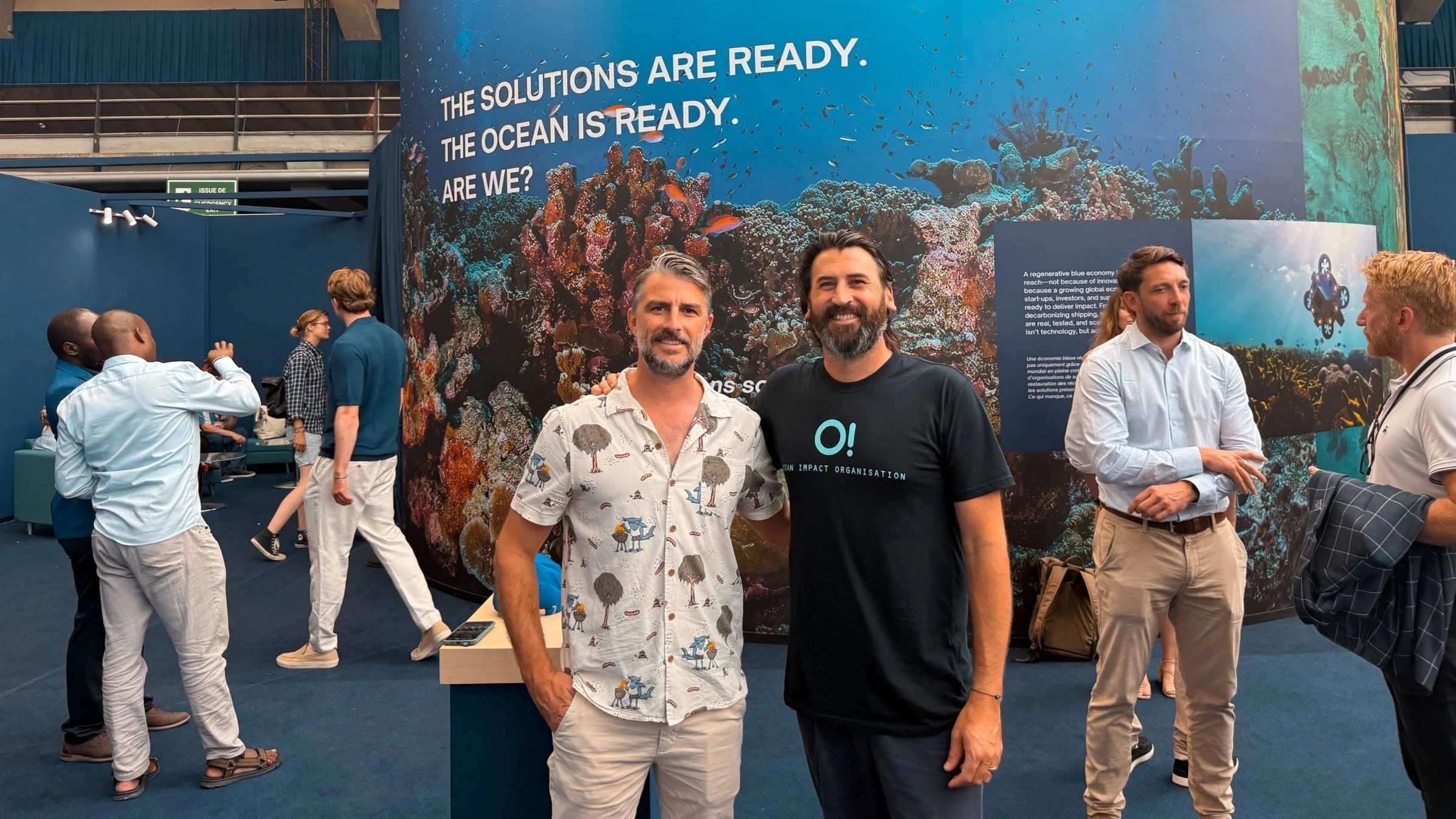
The Startup Reef at UNOC3 featured 40 bold and scalable ocean impact solutions at a dedicated ocean innovation
pavilion.
Image: Ocean Impact Organisation’s CEO (and Co-chair of 1000OS) Nick Chiarelli and Head of Marketing & Community Tim Silverwood
The Startup Reef - by 1000 Ocean Startups (1000OS) – was the beating heart of ocean innovation and investment at the UN Ocean Conference. Featuring powerful solutions to transform ocean health whilst providing investible opportunities. Among the ocean impact startups on display from around the world was OIO portfolio company Hullbot, and OIO alumni Coral Vita, Matter. and OnDeck AI. In addition to these 40 displays was a varied program of brilliant talks, fantastic networking opportunities, and more. The area was constantly buzzing, popular amongst both conference attendees and visitors, showcasing the array of solutions can provide real impact and competitive returns.
Our Takeways
Finance UNOC
For us, this was the “Finance UNOC” – a moment where ocean finance was no longer at the fringes of the conversation, but rather an active participant in it. Finance was recognised throughout the week as a critical lever for achieving SDG14 (life below water), transitioning to a thriving and sustainable blue economy, and building the resilience of climate-vulnerable coastal communities. It highlighted that blue finance isn’t just good for people and planet – it’s one of the most promising investment opportunities of our time.
Ocean-Climate Nexus:
The ocean and climate are two sides of the same coin, and the conference helped break down silos between ecosystems and sectors to scale up ocean-focused climate action. And in the blue zone, the Blue NDC Challenge was launched, calling on countries to place the ocean at the heart of their climate plans (nationally determined contributions, or NDCs) ahead of COP30 in November.
Ocean Literacy:
Ocean literacy was also recognised as essential for achieving SDG14. The Venice Declaration for Ocean Literacy in Action was referenced throughout UNOC by both UN members and NGOs, and the Green Zone welcomed over 100,000 visitors to its 16 pavilions – including The Startup Reef ocean innovation pavilion – merging science, art and technology to drive ocean literacy.
Where does this leave us?
With so many significant announcements, even the most pessimistic ocean lover has to feel buoyed by momentum from the third UN Ocean Conference. But with that warm fuzzy feeling of camaraderie and – yes, hope – that we feel when the global ocean community unites, comes the knowledge that decision-makers must put words into action.
As The Startup Reef in the UNOC green zone proudly displayed to visitors during the conference:
The solutions are ready. The ocean is ready. Are we?
We can’t speak for world leaders, but for Ocean Impact Organisation and the global ocean innovation ecosystem, the answer is a resounding yes.