UNOC3: The Finance UNOC – A Turning Point for SDG14
Written by Nick Chiarelli
Now that I’m home from the 3rd UN Ocean Conference (UNOC) and the Blue Economy & Finance Forum (BEFF), one theme stands out above all: finance finally took centre stage.
Dubbed by many as the “Finance UNOC,” this year’s gathering in Nice marked a watershed moment in the global movement to accelerate investment into ocean health. The conversations were no longer just about the scale of the problem – they were about how we finance the solutions.
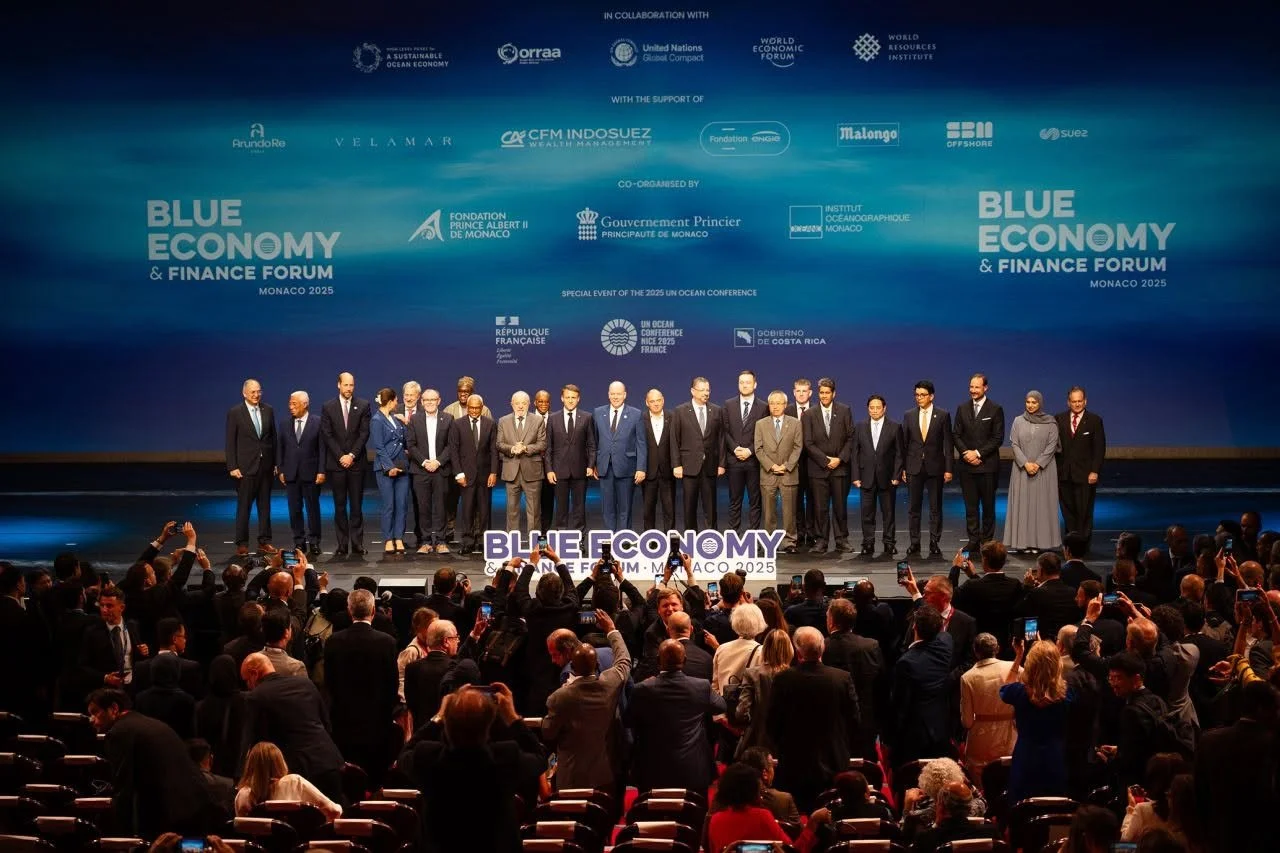
Various Heads of State, including French President Emmanuel Macron, Albert II Prince of Monaco, and William Prince of Wales, at the inaugural Blue Economy & Finance Forum in Monaco
We’ve long known that achieving Sustainable Development Goal 14: Life Below Water is significantly underfunded. Estimates suggest that we need at least $150 billion annually to restore and protect our ocean, yet only a fraction of that is currently being deployed. UNOC3 brought the capital gap into sharp focus and set a bold new tone: we must build the financial mechanisms, de-risking instruments, and investment pathways that will unlock billions in private capital to complement public and philanthropic commitments.

A powerful plenary session at the Blue Economy & Finance Forum discussing the need for a range of blended finance instruments to bridge the ocean funding gap.
There were standout moments: new ocean funds were announced, governments and multilateral institutions made significant financial pledges, and innovative finance vehicles – from blue bonds to blended finance platforms – were showcased. The energy at BEFF was particularly inspiring, as investors, entrepreneurs, and policymakers explored how to mobilise finance for ocean innovation at scale. You can read about all of the key announcements and next steps from BEFF and UNOC in this article by Ocean Impact Organisation’s Social Media & Communications Coordinator, Amelia Heldt.

Founder of Bridgewater Associates and passionate ocean advocate, Ray Dalio, at the Blue Economy & Finance Forum
What excites me most is the sense that the world is finally ready to treat the ocean not only as a victim of climate change, but as a solution – and one worthy of serious investment. If this truly was the “Finance UNOC,” then I hope history will remember it as the moment we began to bridge the ocean finance gap for good.
Innovation at the Forefront of Ocean Action
Innovation also took centre stage at both BEFF and UNOC, with a strong consensus that emerging technologies and ocean-focused startups will be pivotal in bridging the implementation gap for SDG14. From ocean data and AI-powered monitoring tools to breakthroughs in seaweed cultivation, blue carbon, and regenerative aquaculture, the conferences underscored how early-stage ventures are offering scalable, nature-positive solutions.
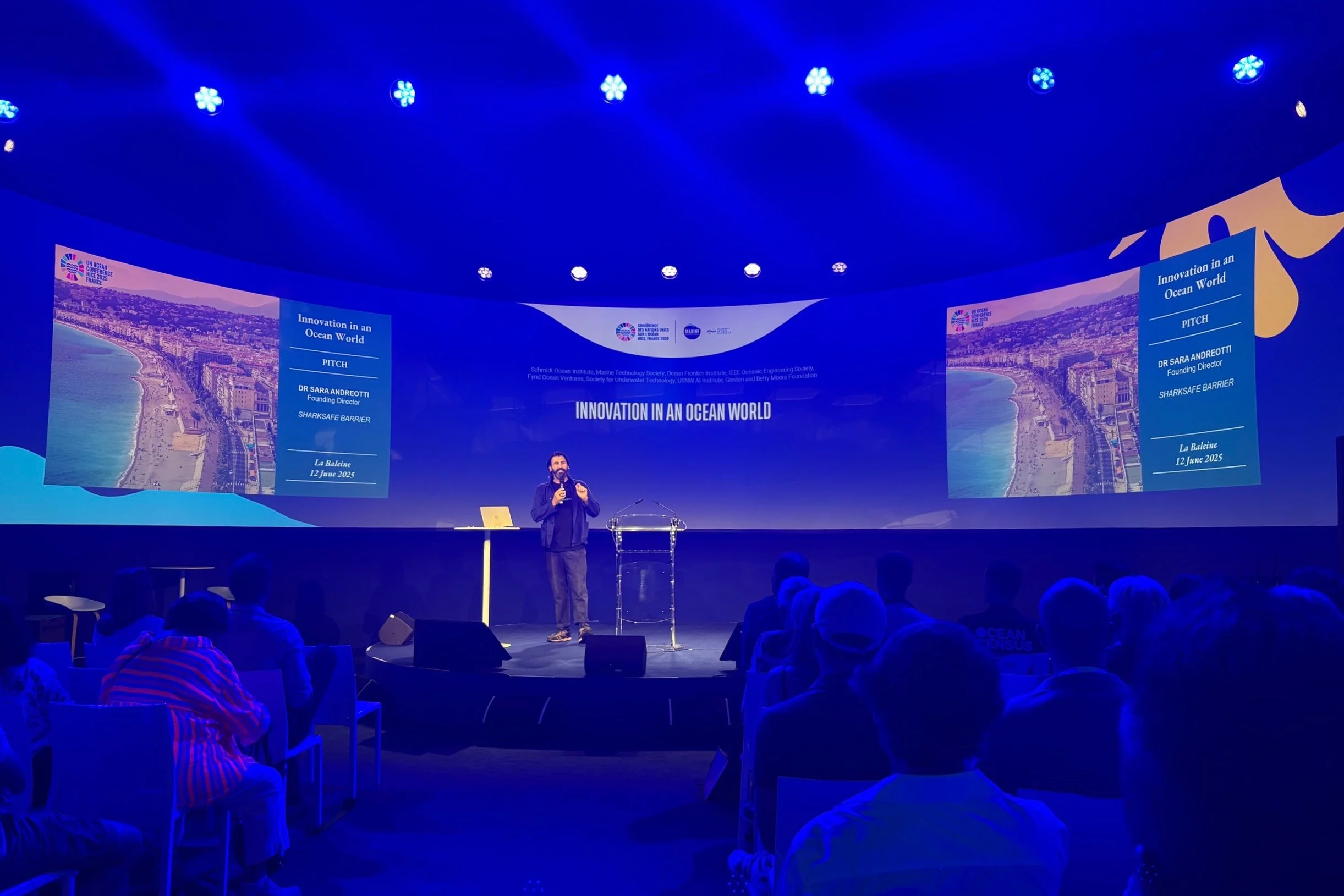
OIO Co-founder Tim Silverwood presenting “Innovation in an Ocean World” hosted by Schmidt Marine Technology Partners in the UNOC Green Zone
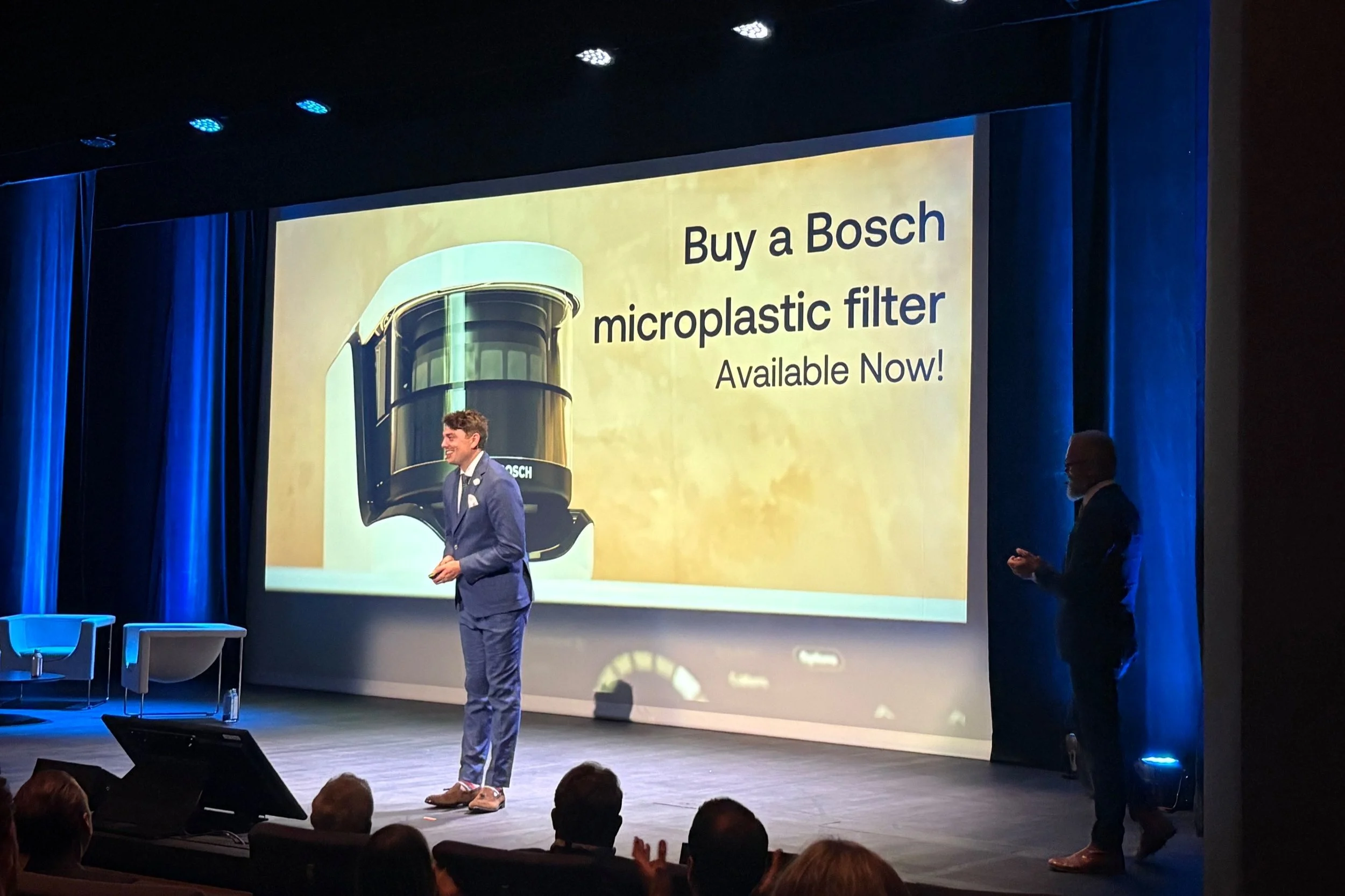
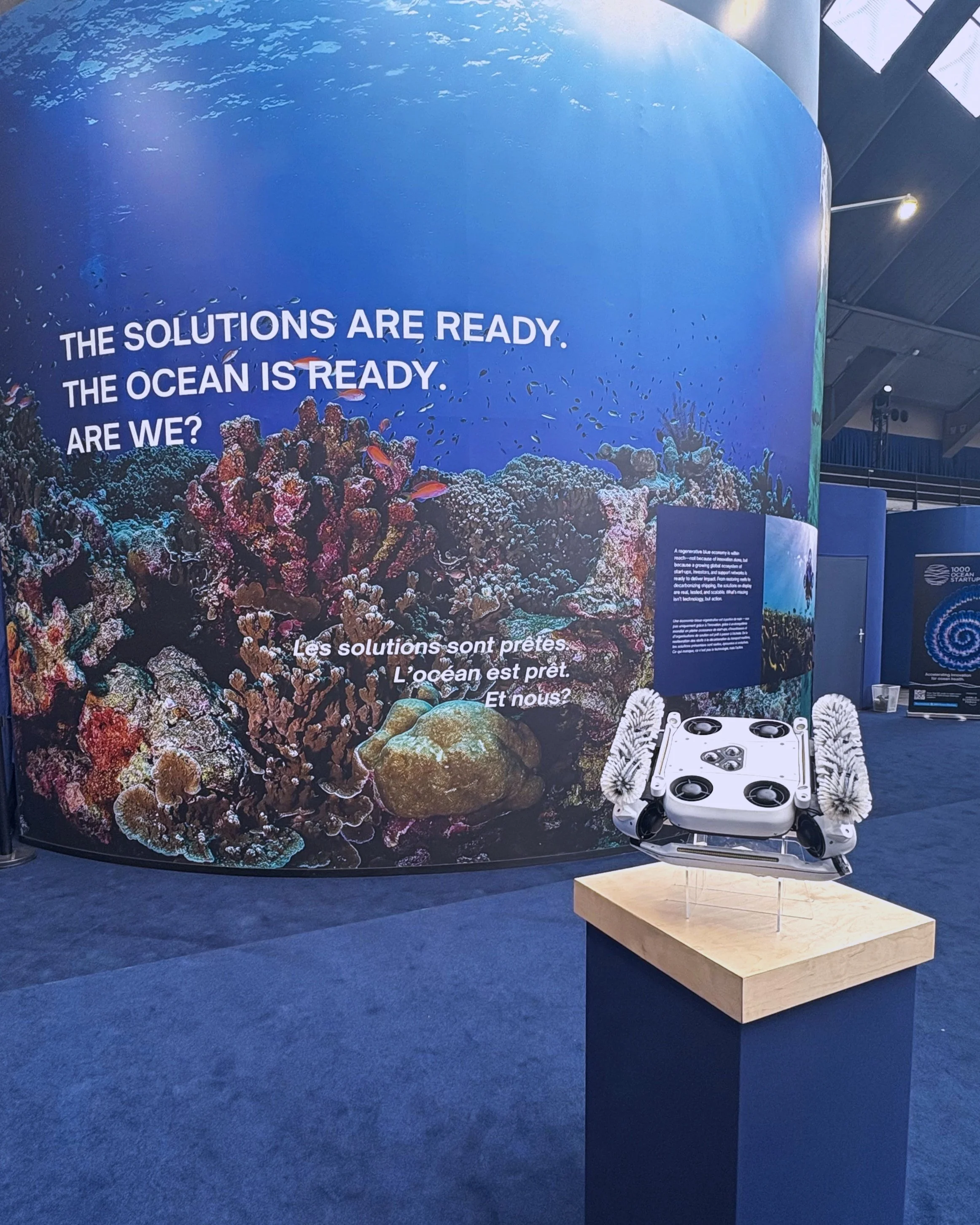
The Startup Reef presented by 1000 Ocean Startups, in the UNOC Green Zone, showcased over 40 ocean tech innovators, while BEFF featured live pitch sessions from entrepreneurs tackling plastic pollution, sustainable fisheries, and marine ecosystem restoration.
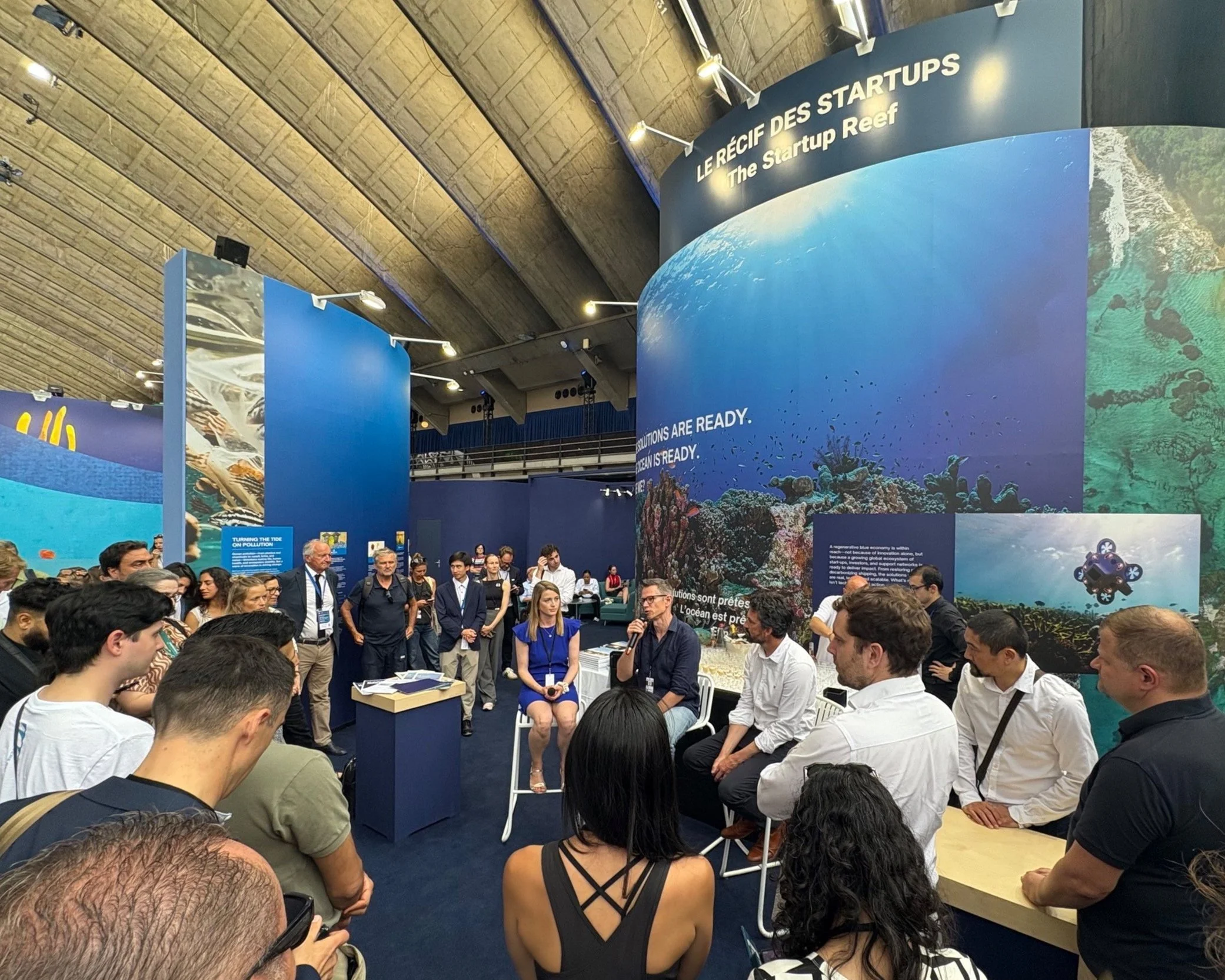
Adam Root, CEO of Matter. (and OIO alumni) at the Blue Economy & Finance Forum pitching Matter’s world first partnership with Bosch to deliver its microplastic filter technologies into homes
Significantly, the launch of SWEN Capital Partners’ Blue Ocean Fund II – the world’s largest ocean-dedicated impact fund – sent a strong market signal about the maturing investability of the sector. Backed by leading institutions and targeting €300 million, the fund will scale early-stage solutions that protect and regenerate ocean biodiversity. Momentum is clearly building: investors are starting to see the ocean not only as a critical front in the climate and nature crisis, but as a dynamic arena for innovation, impact, and financial returns.
SWEN Capital Partners announcing the €160 million first close of its SWEN Blue Ocean 2 fund at the Startup Reef in the UNOC Green Zone
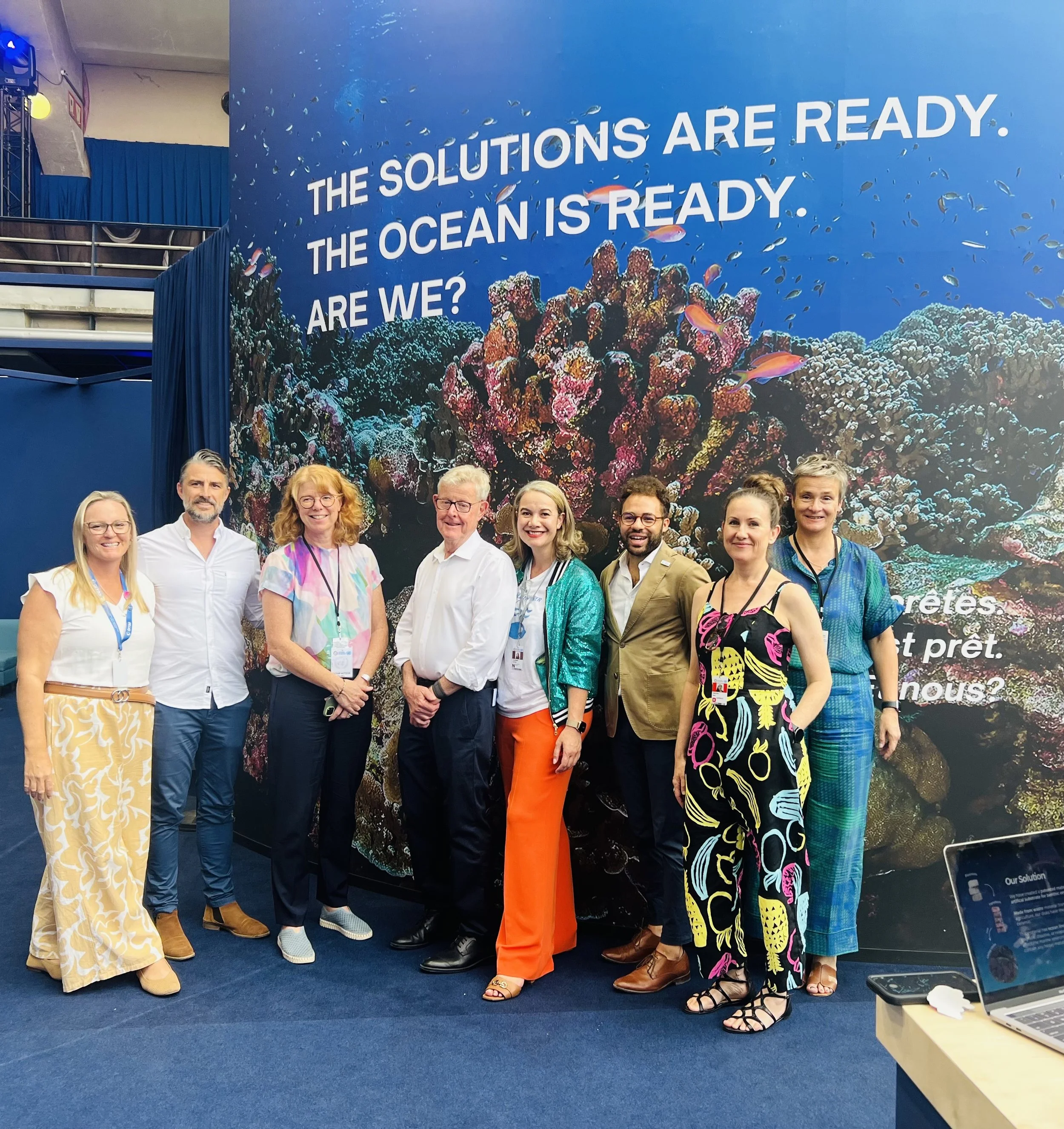
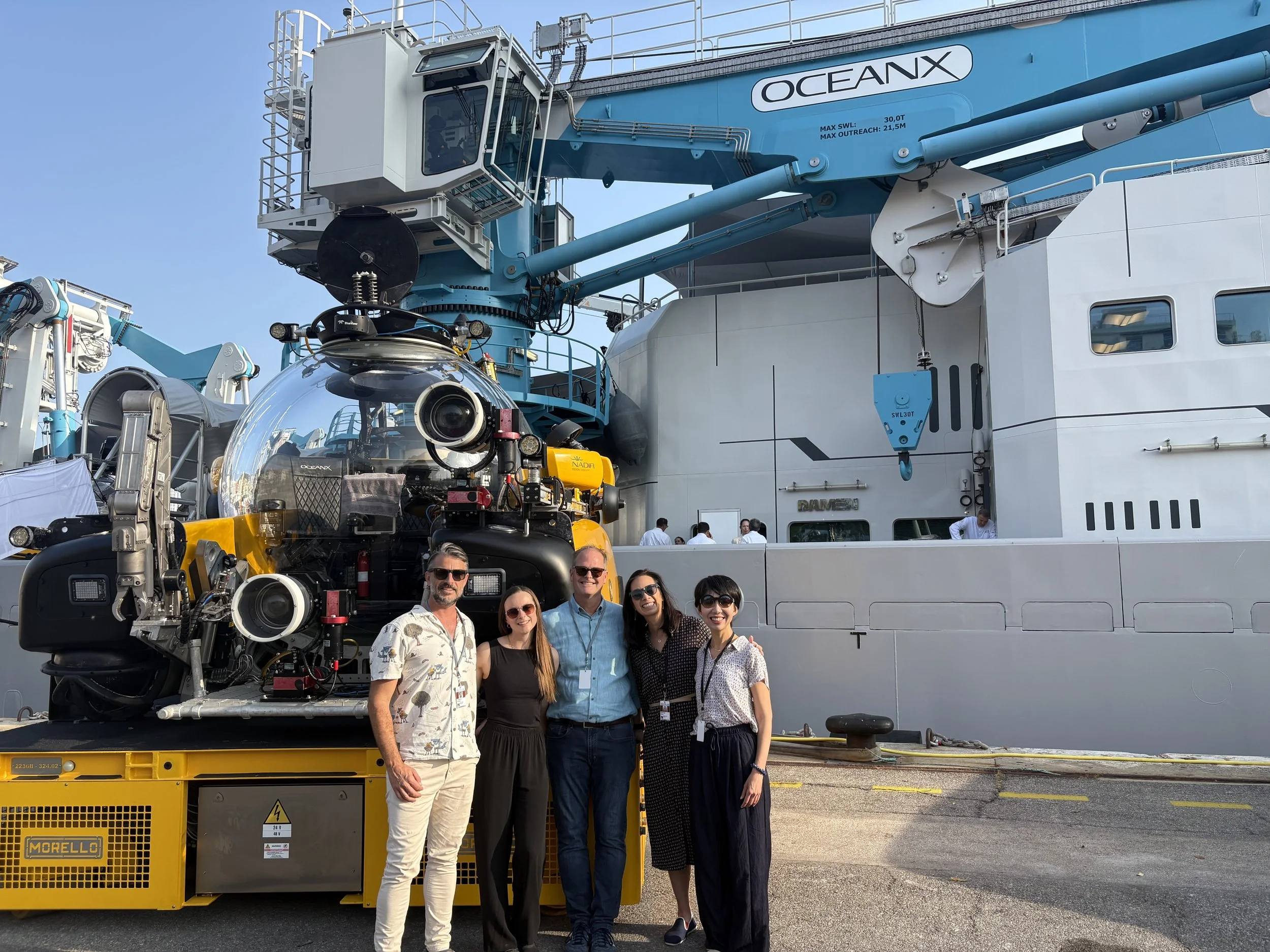
Our CEO Nick Chiarelli taking Australian representatives on a tour of The Startup Reef presented by 1000 Ocean Startups.
From left to right: Melissa Walsh (ORRAA), Nick Chiarelli (OIO), Rachel Parry (Deputy Secretary, DCCEEW), Russell Reichelt (Australian PM’s Sherpa to the Ocean Panel), Jas Chambers (Ocean Decade Australia), Ron Tardiff (World Economic Forum), Suzi Heaton & Sabine Rock (DCCEEW)
Australia’s Moment: A Regional Leader in Ocean Action
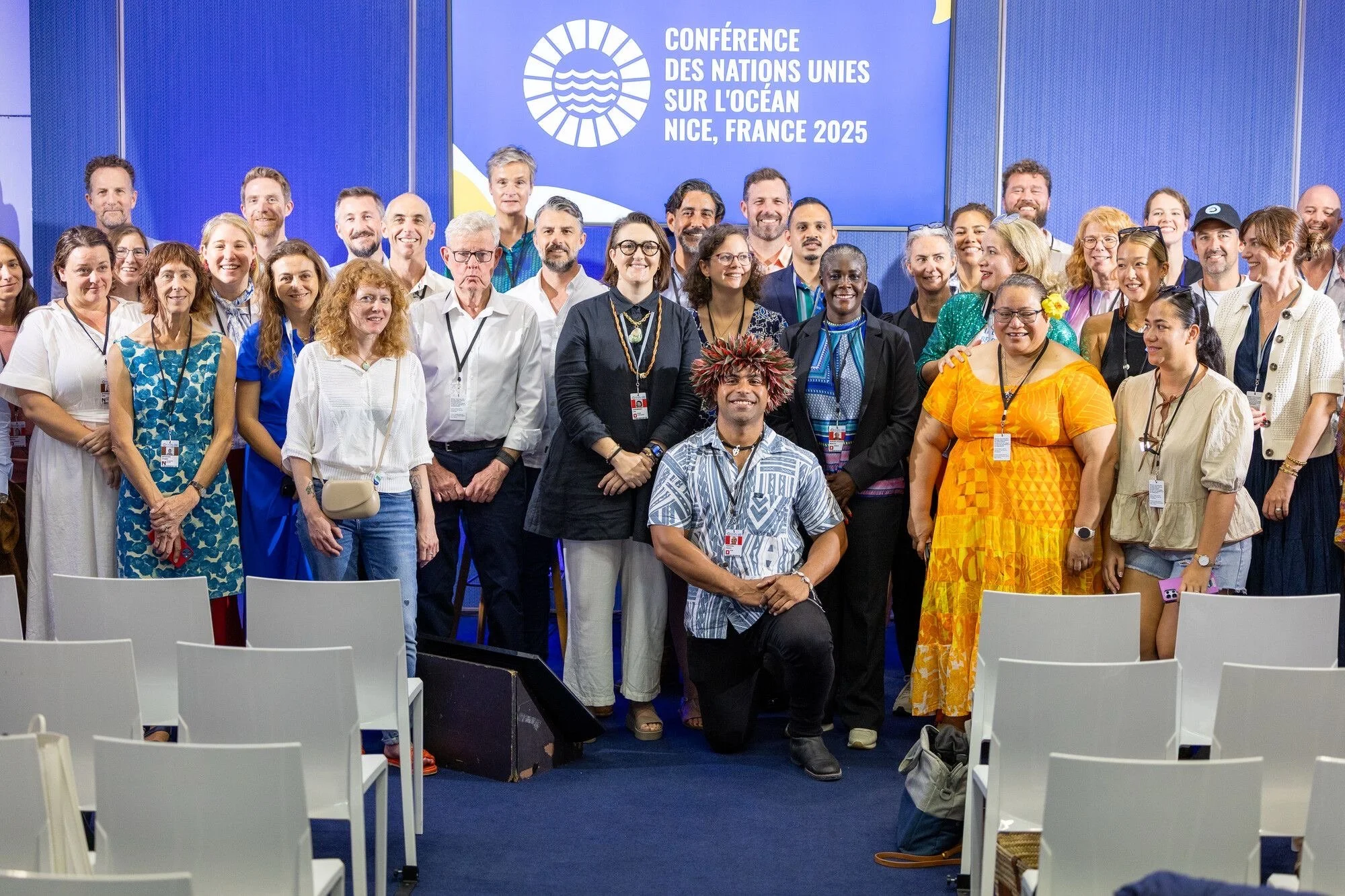
Attendees from Australia and Pacific Nations at the UNOC3 Side Event “Accelerating Ocean-Climate Action in the Pacific region”
What makes this moment even more exciting is the growing recognition of Australia’s potential to lead globally on ocean protection. At UNOC3, Australia stepped up with renewed ambition, practical commitments, and a strong presence alongside our Pacific neighbours.
Some standout Australian highlights from the conference include:
Expanding Highly Protected Marine Areas: Australia plans to designate 30% of its marine territory as "highly protected" by 2030, up from the current 24%. This initiative involves a comprehensive three-year review of 44 marine parks to identify areas for increased protection, aiming to ban extractive activities such as fishing, drilling, and mining in these zones.
Ratifying the High Seas Biodiversity Treaty: Minister Watt confirmed that Australia will introduce enabling legislation in the spring session of Parliament to ratify the High Seas Biodiversity Treaty, also known as the Biodiversity Beyond National Jurisdiction (BBNJ) Agreement. This treaty aims to protect marine biodiversity in areas beyond national jurisdiction and is expected to enter into force once ratified by 60 countries.
Advancing a Sustainable Ocean Plan: Australia is developing a Sustainable Ocean Plan that integrates climate action with ocean conservation. The plan focuses on investments in offshore renewable energy, green shipping, and blue carbon projects to restore coastal ecosystems and improve water quality.
Combating Plastic Pollution: Australia reaffirmed its commitment to a legally binding global treaty to end plastic pollution. Domestically, the government is working to reduce plastic waste through initiatives targeting ghost nets and single-use plastics, particularly in collaboration with Indigenous communities in the Pacific and the Arafura and Timor seas.
Protecting Sharks and Rays: Australia joined a coalition of countries dedicated to halting the extinction of sharks and rays. This initiative aims to generate momentum for urgent, coordinated conservation efforts for these vulnerable species.
Regional Leadership and Collaboration: Minister Watt emphasised Australia's role in regional ocean governance, highlighting partnerships with Pacific and Indian Ocean neighbours to protect shared marine resources. Australia also co-facilitated the political declaration for UNOC 3 with Cabo Verde, demonstrating its commitment to international collaboration on ocean issues.
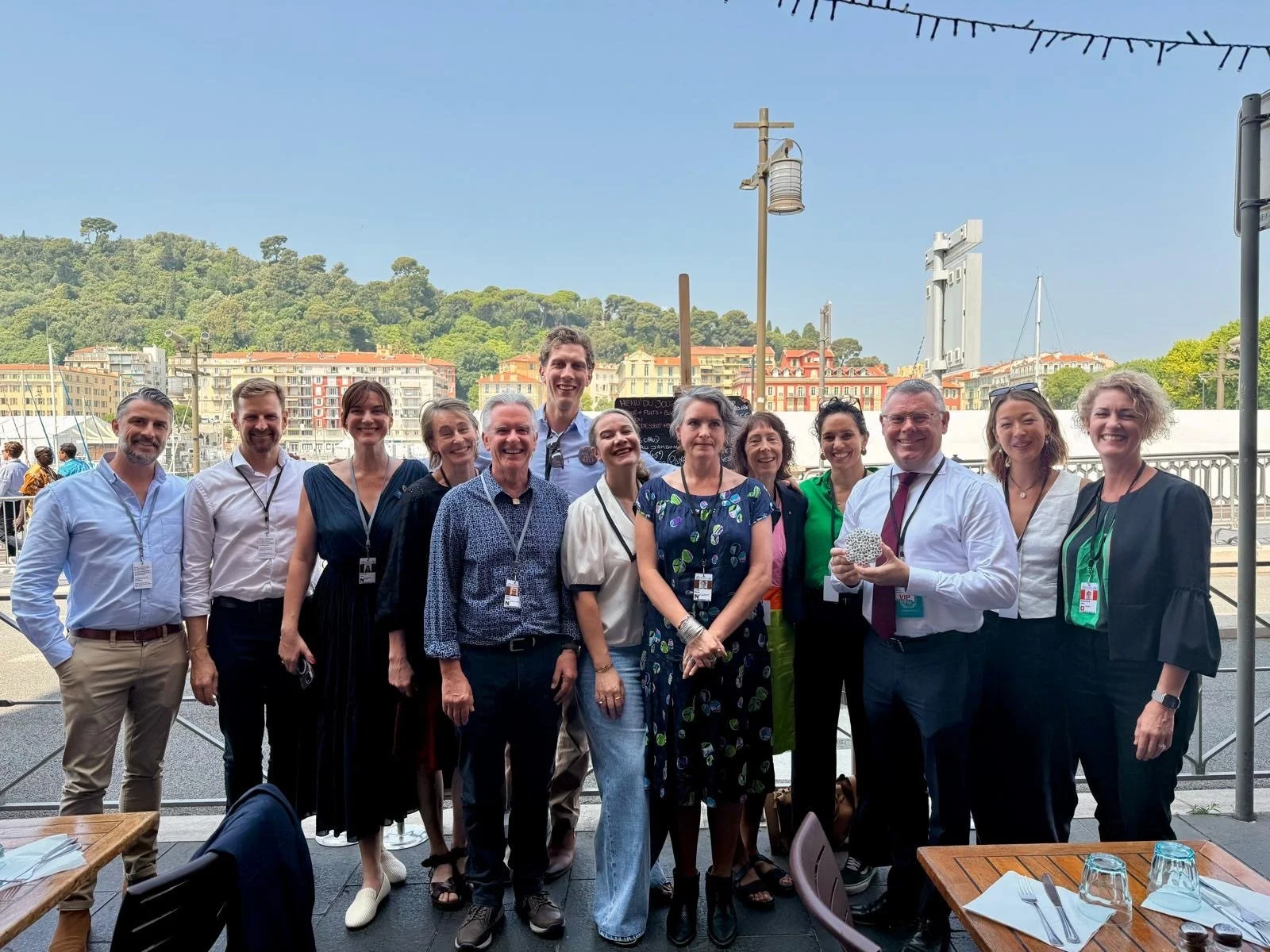
Thank you to Ocean Decade Australia for convening an intimate round table with a number of Australian ocean and environment NGO’s and the Hon Murray Watt, Australia’s Minister for the Environment & Water
With the bid for Australia and the Pacific to co-host COP31 in 2026, the momentum is real. Hosting COP31 would be a generational opportunity to place ocean action at the heart of the climate agenda – to showcase Indigenous leadership, accelerate finance into blue innovation, and champion the voices of Pacific nations on the global stage.
From the corridors of UNOC to the reefs and coastlines of our region, the path forward is clear: Australia has what it takes to lead – and now is the time to rise.